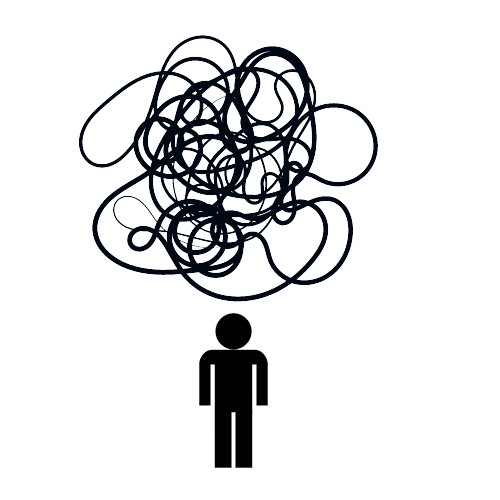


Introverts often have unique ways of managing anxiety and stress. While everyone experiences these feelings, we introverts have distinctive approaches to cope with them. This article explores the prevalence of anxiety in introverts and delves into the strategies we use for dealing with it.
1. Understanding Anxiety in Introverts
Anxiety is a universal human experience, and it knows no boundaries. Also it doesn’t discriminate between introverts and extroverts, yet there’s a distinct presence of anxiety within the introverted world. So, we’ll delve into the intriguing realm of anxiety in introverts, exploring both its prevalence and the factors that contribute to it.
1.1. Prevalence of Anxiety: Introverts’ Silent Companion
Anxiety has many companions, and it often finds solace in the quiet, contemplative world of introverts. While anxiety is by no means exclusive to us, it does seem to have a common room where we frequently gather. Therefore, surveys and studies have illuminated the connection, revealing that a substantial percentage of us report experiencing anxiety in our lives.
This finding might seem paradoxical, given that we often exhibit a calm and composed exterior. While we’re not necessarily the ones who shout our worries from the rooftops, but that doesn’t mean we’re immune to the relentless grip of anxiety. The reasons behind this connection are intriguing and open a window into the unique way introverts perceive and interact with the world.
One key factor contributing to anxiety’s frequent visits to our minds is our heightened sensitivity to external stimuli. Because we have finely tuned antennae for picking up on nuances in our environment. While this sensitivity is a valuable trait in many ways, it can also make us more susceptible to anxiety. The slightest change in tone or body language can be magnified in our perception, leading to unnecessary worry and unease.
We’re also known for our introspective nature and deep thinking. While this introspection can be a wonderful tool for personal growth and problem-solving, it can sometimes turn against us. Then we may ruminate on past conversations, overanalyze our actions, and engage in mental gymnastics trying to predict future outcomes. Further this tendency to overthink situations can create fertile ground for anxiety to take root and grow.
1.2. Factors Contributing to Anxiety: The Social Drain
One of the standout traits of introverts is our preference for solitude and a quieter, less stimulating environment. While this solitude is often our refuge, it can also give rise to anxiety when faced with excessive social interactions. So, it’s essential to understand the dynamics at play.
We find social interactions, especially in large groups, to be energy-draining. Unlike extroverts, who often thrive on social engagement, we may feel depleted after extended periods of interaction. Hence, this isn’t a sign of social ineptitude or shyness; it’s simply a difference in how we recharge and where we draw our energy from.
Consider a typical social gathering: an extrovert may come alive, feeding off the energy of the crowd, while an introvert might find it increasingly draining. As a result, this difference in how we perceive and react to social experiences is a fundamental factor contributing to anxiety among introverts.
For us, the need for solitude and quiet reflection is essential for maintaining emotional balance. When we’re denied this opportunity to recharge, we can become overwhelmed. Moreover in social situations where we feel compelled to participate, anxiety may creep in, driven by the sensation of being outside our comfort zone.
Additionally, we often find small talk and casual social interactions less fulfilling than deep, meaningful conversations. In this case, engaging in surface-level interactions can feel superficial and unsatisfying, potentially leaving us feeling disconnected or misunderstood. Soon this disconnect can be another contributor to anxiety, as it can trigger a sense of not belonging or not being able to fully express ourselves in social situations.
In summary, while anxiety isn’t exclusive to introverts, it frequently finds a home within our world. While our heightened sensitivity to external stimuli and a preference for meaningful interactions over superficial small talk are key elements contributing to this connection. However understanding these factors is crucial in exploring how we navigate and manage anxiety in our unique way.
2. The Interplay Between Introversion and Anxiety

Introversion and anxiety often engage in a subtle and intricate dance within our minds and lives. While we’re not inherently more prone to anxiety than extroverts, there is a fascinating interplay between our personality traits and the experience of anxiety. So, let’s explore this relationship, shedding light on why we sometimes find ourselves entangled with anxious thoughts and feelings.
2.1. Introverts and Anxiety
2.1.1. Introspection
We are often characterized by our introspective nature. Especially we have a natural inclination to delve deep into our thoughts and feelings, seeking self-awareness and understanding. While this introspection can be a valuable tool for personal growth and self-discovery, it can sometimes lead to overanalyzes, a common breeding ground for anxiety.
For instance, when faced with a challenging social situation, an introvert may replay the event in our mind, scrutinizing every word, gesture, and possible interpretation. Then our analytical nature may intensify our anxiety as we delve deeper into perceived missteps or awkward moments.
2.1.2. Sensitivity
We often wear our sensitivity as a badge of honor. We possess a heightened awareness of the subtleties in our environment, from shifts in tone to unspoken emotions in a room. While this heightened sensitivity allows us to connect deeply with people and empathize with their emotions, it also makes us more vulnerable to anxiety.
In social situations, we may pick up on subtle cues of tension, discomfort, or dissatisfaction in others. Because our empathetic nature can lead us to internalize these emotions, resulting in increased stress and anxiousness. Moreover the emotional atmosphere of a room can become a mirror of our own feelings, which can be overwhelming.
2.1.3. Preference for Deep Thinking

We often thrive on deep, meaningful conversations and intellectual exploration. Particularly we have a thirst for understanding the “why” and “how” of things, relishing the process of unraveling complex topics. While this intellectual depth is a treasure, it can also become a double-edged sword when it comes to anxiety.
Our inclination for deep thinking can lead us to ruminate on problems and challenges. Since we may find ourselves trapped in an endless loop of overthinking, unable to escape the web of our thoughts. This tendency to overanalyze and constantly seek a profound understanding of situations can create fertile ground for anxiety to take root.
2.2. Differences in Coping
2.2.1. Introverts’ Coping Style
We tend to internalize our anxiety. When faced with stressful situations, we often retreat into our inner world, seeking solace and reflection. We may turn to our personal coping mechanisms, such as solitude and introspection, to regain our emotional balance.
Imagine an introvert who has had a taxing day at work. Therefore we might seek solace in a quiet room, engaging in a favorite hobby, reading, or writing in a journal. This self-imposed time-out allows us to recharge and process our emotions.
2.2.2. Extroverts’ Coping Style

Extroverts, on the other hand, approach stress differently. For instance they are more inclined to seek external outlets for their emotions. For examples social interaction, talking to friends or family, or engaging in physical activities are common ways in which extroverts manage stress.
Consider an extrovert who has had a tough day. Soon they might call a friend to discuss their challenges or join a social event to shift their focus. Because the act of sharing their feelings and being in the company of others provides them with a sense of relief and support.
Understanding these differences in coping styles highlights the diversity of human responses to anxiety and stress. While introverts and extroverts may navigate similar situations, the paths we choose are unique and reflective of our individual personalities.
3. Coping Mechanisms for Introverts
We have our unique set of strategies when it comes to dealing with stress and anxiety. These approaches reflect our need for introspection and personal space, often leading us towards solitude, engaging in activities, and utilizing tools like journaling for introspection. Thus, we’ll explore how we navigate the realm of coping mechanisms and how these practices help us regain our emotional equilibrium.
3.1. Seeking Solitude

One of the most distinctive coping mechanisms of introverts is our tendency to seek solitude when we’re stressed. For us, solitude is not merely a preference; it’s a source of rejuvenation and emotional grounding. Indeed it’s like our secret sanctuary where we can find solace in the quiet moments away from the clamor of the outside world.
Benefits of Solitude:
3.1.1. Recharge and Reconnect
For us, solitude is not about isolation; it’s about reconnecting with ourselves. Hence, it’s a time to recharge our emotional batteries and regain our inner balance. Since in solitude, we can step away from external demands and reconnect with our thoughts and emotions.
3.1.2. Reduced Overstimulation
We are highly sensitive to external stimuli, and the constant hustle and bustle of the world can sometimes overwhelm us. So, solitude provides a respite from the sensory overload, allowing us to regain a sense of calm and serenity.
3.1.3. Emotional Processing
When we are stressed, we often require time to process our emotions. Therefore solitude offers the perfect environment for this. Also it’s a space where we can reflect on our experiences, examine our feelings, and make sense of the complexities of life.
3.1.4. Creativity and Inspiration
Many of us find our creative spark in solitude. Especially it’s in these moments of quiet reflection that we discover innovative ideas, engage in creative endeavors, and find inspiration for our passions.
3.2. Retreating into Activities
We often have a repertoire of favorite activities we retreat into when we need solace. Thus these activities act as a refuge, offering a sense of emotional equilibrium in the midst of life’s challenges.
Exploring Introverts’ Activities:
3.2.1. Reading
A classic introvert pastime, reading provides an escape into different worlds and the opportunity to empathize with characters. Besides it’s a way to step away from personal worries and immerse ourselves in a story.
3.2.2. Writing
Many of us find solace in writing, whether it’s journaling our thoughts, crafting stories, or penning poems. In this case, writing is a powerful means of self-expression and emotional release.
3.2.3. Art and Creativity
Engaging in art, whether it’s painting, drawing, or any other creative pursuit, allows us to channel our emotions into our work. In fact, it’s a form of therapy and self-expression.
3.2.4. Hobbies
From gardening to playing musical instruments, we often have hobbies that provide a sense of purpose and joy. Of course, these activities offer a break from stress and the opportunity to focus on something we love.
3.3. Journaling and Introspection
Journaling is a valuable tool in our arsenal for managing anxiousness and stress. It’s a practice that involves writing down our thoughts, emotions, and experiences. For us, journaling is a form of introspection and self-discovery.
The Effectiveness of Journaling:
3.3.1. Emotional Release
When we write in our journals, we can release pent-up emotions and worries. It’s a safe space to express feelings and thoughts that may be challenging to share with others.
3.3.2. Problem-Solving
Journaling is not just about pouring out emotions; it’s also a tool for problem-solving. Many of us use our journals to dissect challenges, analyze situations, and come up with solutions.
3.3.3. Self-Awareness
Through the act of journaling, we can gain a deeper understanding of ourselves. We can track patterns in our thinking, identify triggers for anxiety, and recognize personal growth over time.
3.3.4. Stress Reduction
Writing in a journal can be a calming and meditative experience. It allows us to step back from the chaos of life and create a space for reflection and relaxation.
In essence, the coping mechanisms of seeking solitude, retreating into activities, and journaling and introspection serve as an anchor for us in the stormy sea of stress and anxiety. These practices not only help us regain our emotional equilibrium but also provide a pathway to self-discovery and a source of personal growth. We find peace within ourselves and use these tools as a means of self-care and emotional resilience.
4. Effective Strategies for Calming Anxiety

We introverts possess a unique set of strategies for dealing with anxiety and stress. These strategies reflect our deep need for introspection and often include mindfulness practices, nature therapy, and creative pursuits. In this section, we’ll explore these effective strategies and how we harness them to calm anxiety and find our inner peace.
4.1. Mindfulness Practices
Mindfulness practices, such as meditation and deep breathing exercises, are powerful tools that we often turn to when seeking relief from anxiety and stress. The essence of mindfulness lies in being fully present in the moment, immersing ourselves in the here and now.
Benefits of Mindfulness for Introverts:
4.1.1. An Anchor for Racing Thoughts
For us, whose minds are often filled with contemplation and analysis, mindfulness provides a mental anchor. It allows us to step out of the whirlwind of anxious thoughts and anchor ourselves in the present moment.
4.1.2. Calm Amidst Chaos
Mindfulness practices help us find calm in the midst of chaos. When the external world feels overwhelming, we can turn inward, focusing on our breath and sensations to regain a sense of serenity.
4.1.3. Stress Reduction
Deep breathing exercises and meditation are proven stress-reduction techniques. They lower the body’s stress response, promoting relaxation and inner peace.
4.1.4. Enhanced Self-Awareness
Mindfulness fosters self-awareness. For us, it’s an opportunity to become intimately acquainted with our own thoughts, emotions, and reactions. This self-awareness is a valuable tool for managing anxiety.
4.1.5. Improved Resilience
By practicing mindfulness regularly, we build emotional resilience. We learn to cope with stress and anxiety in a more balanced and composed manner.
4.2. Nature as Therapy
We often discover solace and serenity in the natural world. Nature serves as a potent means of relaxation and stress relief, offering a serene escape from the demands of the external world.
The Therapeutic Effects of Nature for Introverts:
4.2.1. A Calming Retreat
Nature acts as a retreat for us, a place where we can escape the hustle and bustle of life and find refuge in the tranquility of natural settings.
4.2.2. Sensory Restoration
Spending time in nature provides sensory restoration. The sounds of birds, the rustling of leaves, and the feel of natural textures are grounding and soothing.
4.2.3. Reduced Overstimulation
The natural world offers a respite from overstimulation. We can unplug from the constant influx of information and sensory input, allowing us to find a sense of calm and balance.
4.2.4. Mindful Connection
Nature invites mindfulness. It encourages us to be present in the moment, observing the beauty and wonder of the world around us. This connection with nature can be deeply healing.
4.2.5. Stress Reduction
Nature therapy is renowned for its stress-reduction effects. Spending time in natural settings has been shown to lower cortisol levels and decrease stress and anxiety.
4.3. Creative Pursuits
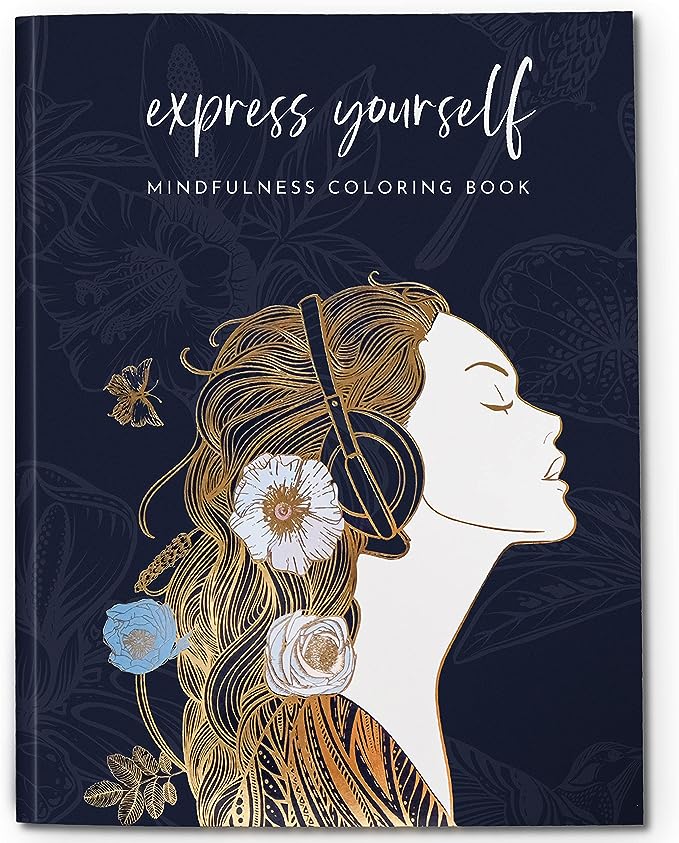
Engaging in creative pursuits and hobbies is another effective means of self-expression and stress relief for us. Creativity serves as an outlet for our emotions and a channel for finding inner calm.
How Creativity Calms Anxiousness for Introverts:
4.3.1. Self-Expression
Creative activities, whether it’s painting, writing, crafting, or playing a musical instrument, provide us with a means of self-expression. This is a powerful way to release emotions and worries.
4.3.2. Emotional Release
Creating art or engaging in hobbies can be cathartic. It allows us to channel our emotions into our work, providing a sense of release and relief.
4.3.3. Flow State
Many of us experience a flow state when we’re engaged in creative pursuits. In this state, time seems to disappear, and we are fully immersed in our activity. It’s a state of heightened focus and enjoyment that promotes relaxation.
4.3.4. Stress Reduction
The act of creating can be inherently stress-reducing. It shifts the focus away from worries and allows us to find joy and satisfaction in the process of making something.
4.3.5. Mindful Expression
Creativity encourages mindful expression. Whether we’re painting a canvas or writing a story, we can be present in the act of creation, which, in turn, helps calm our anxious minds.
5. Conclusion
Understanding how we deal with anxiousness is essential for promoting mental well-being. By respecting our need for solitude and providing support for our unique coping strategies, we can create a more inclusive and compassionate environment. The strategies discussed in this article are not only valuable to introverts but can also benefit anyone dealing with stress and anxiety. So, we encourage you to explore and apply these strategies in your own lives.

Be First to Comment