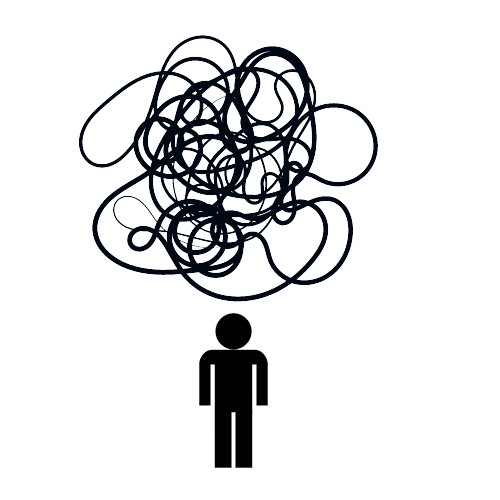



Most people have prejudice against introvert. You wonder why people would people judge others without understand first. Usually people did it as their defense mechanism unconsciously they did to prevent them from something they thought peculiar. What is introvert really? Why is there a prejudice when there’s introverts around them. Is it because introvert is different than others? All people are basically different each one of them. Let’s try to understand introverts better so we can have a good relationship with each other.
There is this interesting story as an example to give more understanding. Emma and Anna are new workers in the company and they are working together in the same division. Emma is impatient and persistent, so every time there was a problem in her work that she could not solve, she will consult with their supervisor to solve it as soon as possible. Anna is introverts that would rather deal with her work problem on her own and only consult with their supervisor if there was an “emergency”.

One day Emma had a problem that she’d like to consult with their supervisor, but Anna told her to wait. She said to Emma it’s not a good time. But Emma said to her that their supervisor was in a good mood. Anna insisted that’s not the case, so Emma trust Anna judgement. Not long after that, there was ruckus in their supervisor room with one of the staff and Emma was thankful to Anna. From the story we can see that Anna is more observant than Emma. She considers people around her and prevent unpleasant thing to happen. She is an introvert.


Definition Introvert
Let’s begin with definition based on Oxford Dictionary, introvert is a shy, reticent person. According to psychology, introverts tend to pay more attention to their inner selves than to the outside world. This term originally from modern Latin introvertere, from intro- ‘to the inside’ + vertere ‘to turn’ in the general sense ‘turn one’s thoughts inwards (in spiritual contemplation’).
To elaborate further, it is a personality trait characterized by a preference for solitude, introspection, and reduced social interaction. Introverts find energy and revitalization through time spent alone or engaging in solitary activities. They tend to feel drained by excessive socializing and may require periods of solitude to recharge. They are more reflective, thoughtful, and sensitive to external stimuli. When extroverts gain their energy from their interaction with others, introverts drain their energy from interaction with people and they gain energy in solitude.
Thoughtful
One of the distinguishing features of introvert is their inclination towards deep thinking and reflection. They are often introspective, taking time to explore their own thoughts, emotions, and experiences. This reflective nature can lead to a greater self-awareness and insight into their own motivations, values, and beliefs. They may require periods of solitude to recharge and process their thoughts and emotions. Introverts tend to be introspective and spend time reflecting on their thoughts, feelings, and experiences. They may be more inclined towards internal processing, which can result in thoughtful insights and perspectives.
Social Settings
In social settings, introverts typically prefer smaller, more intimate gatherings or one-on-one interactions over large groups or parties. They value deep, meaningful connections with a few close friends rather than having a wide network of acquaintances. Introverts often engage in deep conversations, sharing their thoughts and ideas on a more personal level. Introvert often drawn to deep conversations and intellectual pursuits. They enjoy exploring complex ideas, engaging in meaningful discussions, and delving into topics of personal interest.
Exceptional Listener
Listening skills are a strength commonly associated with introverts. They tend to be attentive observers, carefully processing information before responding. Introverts often make thoughtful and considered contributions to conversations, drawing from their ability to listen actively and attentively. Introverts often possess strong listening skills and are attentive observers. They tend to take in information before responding and may be considered good listeners in conversations.
Sensitivity
Introverts may also have a heightened sensitivity to external stimuli, which can make them more susceptible to feeling overwhelmed in highly stimulating environments. Loud noises, bright lights, or crowded spaces can drain their energy and lead to a desire for quieter, calmer surroundings. They may seek quieter, calmer surroundings to maintain their mental well-being.
Perspective
Many introverts possess strong creative inclinations. They often excel in artistic endeavors, writing, music, or other forms of self-expression that allow them to channel their inner thoughts and emotions. The introspective nature of introverts often contributes to their ability to tap into deeper emotions and explore unique perspectives.
Natural Bringing
It is important to differentiate between introversion and shyness or social anxiety. While introverts may feel less comfortable in highly stimulating social situations, they are not necessarily fearful or anxious about social interactions. Introversion is a natural personality trait, whereas shyness and social anxiety are more closely associated with anxiety disorders.
Improvement in Life
Understanding and embracing one’s introverted nature can lead to personal growth and self-acceptance. It’s important to recognize that introvert is a valid and valuable personality trait, and introverts can thrive in various areas of life, including relationships, work, and personal development. They bring unique strengths to the table, such as their ability to think deeply, listen attentively, and offer insightful perspectives. In relationships, introverts often value meaningful connections and may excel at providing emotional support and understanding.

In the workplace, introverts may shine in roles that require focus, analysis, and creativity. They often excel at tasks that involve independent work, problem-solving, and attention to detail. Introverts’ ability to think deeply and reflect can contribute to their success in fields that require thoughtful analysis and original ideas.
While introverts may have a preference for solitude, it doesn’t mean they avoid social interactions altogether. They can engage in social activities and enjoy meaningful connections with others. However, they may need to balance social interactions with ample alone time to maintain their mental well-being.
Understanding and embracing one’s introverted nature can lead to personal growth and self-acceptance. It’s essential for introverts to recognize that their preferences and needs are valid and valuable. Developing strategies to manage overstimulation and protect their energy levels can be beneficial in maintaining a healthy balance.
It’s important to note that introversion exists on a spectrum, and each individual is unique. Some introverts may exhibit stronger introverted tendencies than others, and there are also individuals who display a mix of both introverted and extroverted traits (known as ambiverts), depending on the situation.
In conclusion, introversion is a complex and multi-faceted personality trait characterized by a preference for solitude, introspection, and reduced social interaction. They are natural and normal variation in human personality, and it contributes to the diversity and richness of our social fabric.




[…] like the hues we surround ourselves with can reflect our personalities in unexpected ways. As introverts, this intersection of self-expression and color preferences becomes particularly intriguing. Is […]
[…] patient of teachers.” That was what Charles William Eliot said. There are several books that introverts may find insightful and helpful in understanding yourr personality traits and navigating the world. […]
[…] Introvert remains an unsung hero, quietly observing and listening attentively. While introverts are often stereotyped as shy and withdrawn, have unique ability to listen attentively and empathize makes them extraordinary conversationalists. Introverts as excellent listeners, unveiling the quiet strength and superpower we bring to our lives. […]
[…] Introversion, a personality trait characterized by a preference for solitude, introspection, and limited social engagement, is a fascinating aspect of human behavior. In this article, we’ll embark on a journey to unravel the underlying causes of introverted personality, examine its potential genetic connections, and explore the far-reaching implications it can have on individuals’ personal and social lives. […]
[…] introverts, we possess unique personalities and tendencies that set us apart from our extroverted […]
[…] Introverts often have unique ways of managing anxiety and stress. While everyone experiences these feelings, we introverts have distinctive approaches to cope with them. This article explores the prevalence of anxiety in introverts and delves into the strategies we use for dealing with it. […]
[…] often have misconception about introverts. They would think introverts are rude or aloof when they are just shy and lack of social skills. […]